
Magnetic Pump Fundamentals: A Technical Overview for Industrial Sourcing
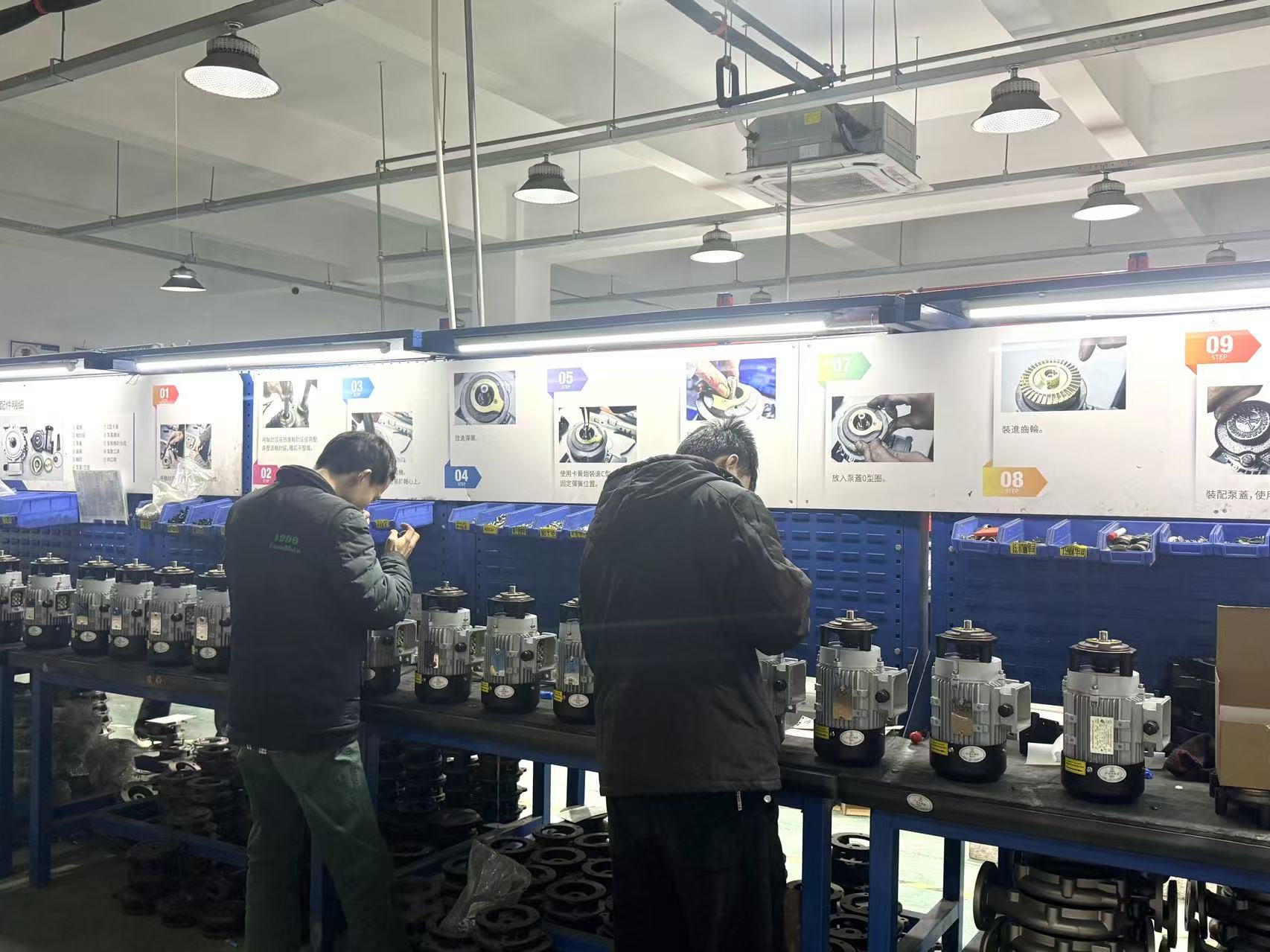
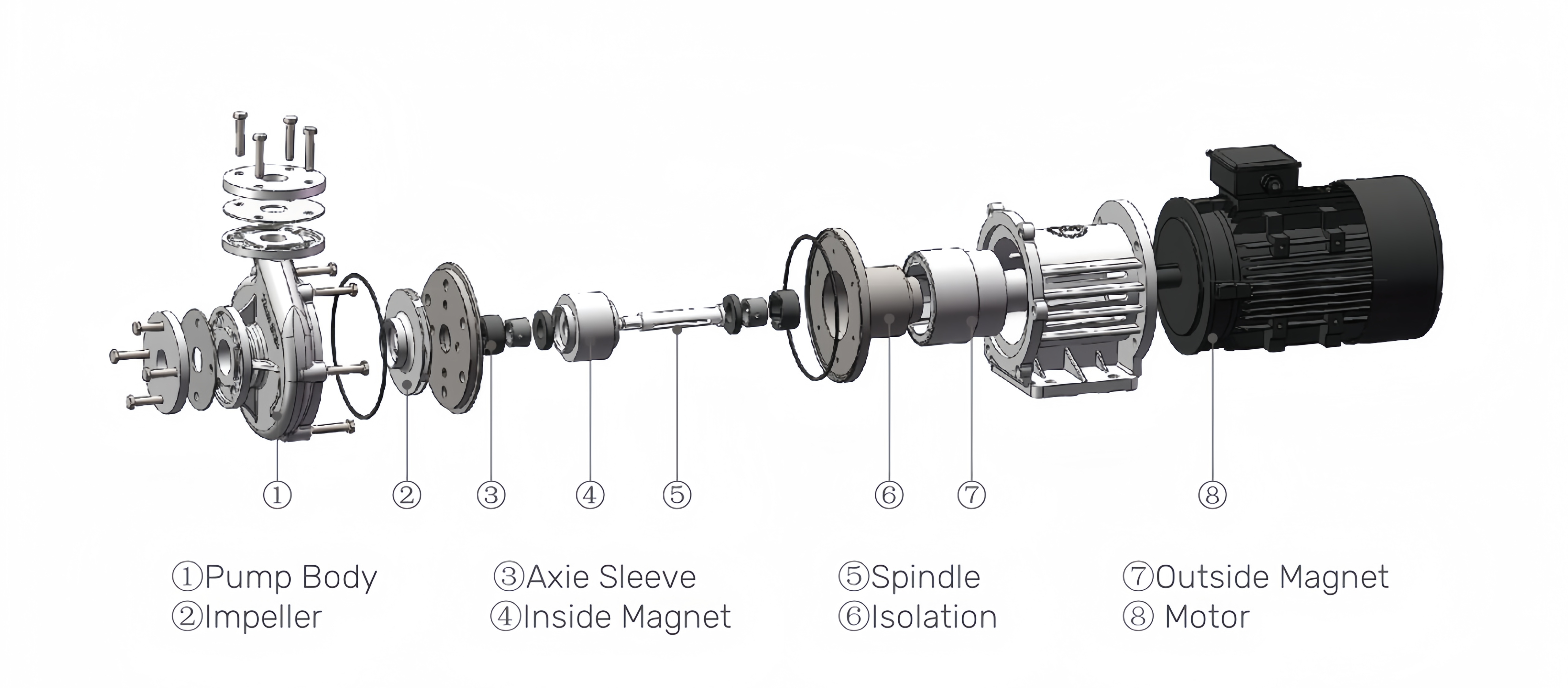
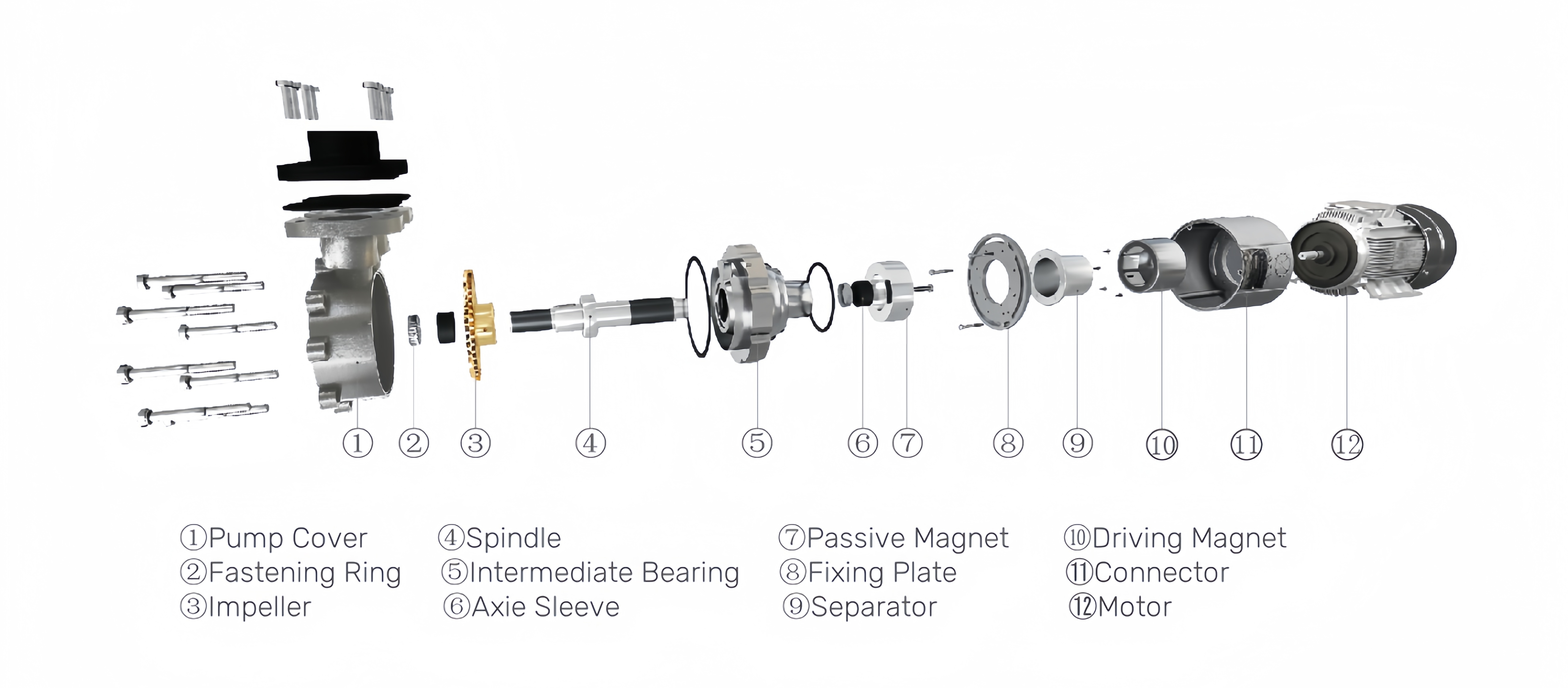
A magnetic pump is a type of centrifugal or regenerative turbine pump that uses a magnetic coupling to transmit torque from the motor to the impeller, eliminating the need for a mechanical shaft seal. This design makes the pump completely leak-free, which is critical for handling hazardous, corrosive, or high‑purity fluids. For industrial buyers in the initial awareness and research phase, understanding the core types, materials, and temperature capabilities of magnetic pumps is the first step toward making an informed procurement decision.
Problem Definition: The Limits of Mechanically Sealed Pumps
Conventional centrifugal pumps rely on mechanical seals to prevent fluid leakage along the rotating shaft. Over time, these seals wear, causing drips, process contamination, and unplanned maintenance downtime. In industries handling thermal oil, glycol, or aggressive chemicals, seal failure can lead to safety hazards, environmental fines, and production losses. A magnetic drive pump solves this problem by completely removing the dynamic seal, offering a permanent, leak‑free solution.
Industry Background
Magnetic pumps have been widely adopted in temperature‑controlled processes (TCU), semiconductor cooling, chemical processing, injection molding, and new energy testing. Their ability to handle extreme temperatures—from cryogenic -196°C up to +400°C—makes them indispensable for applications requiring thermal oil transfer or high‑precision temperature control. As global demand for energy‑efficient and low‑maintenance fluid handling grows, magnetic pumps are increasingly the standard in OEM equipment such as chillers, mold temperature controllers, and liquid coolers.
Detailed Solution: YUAN SHIN PUMP’s Magnetic Pump Portfolio
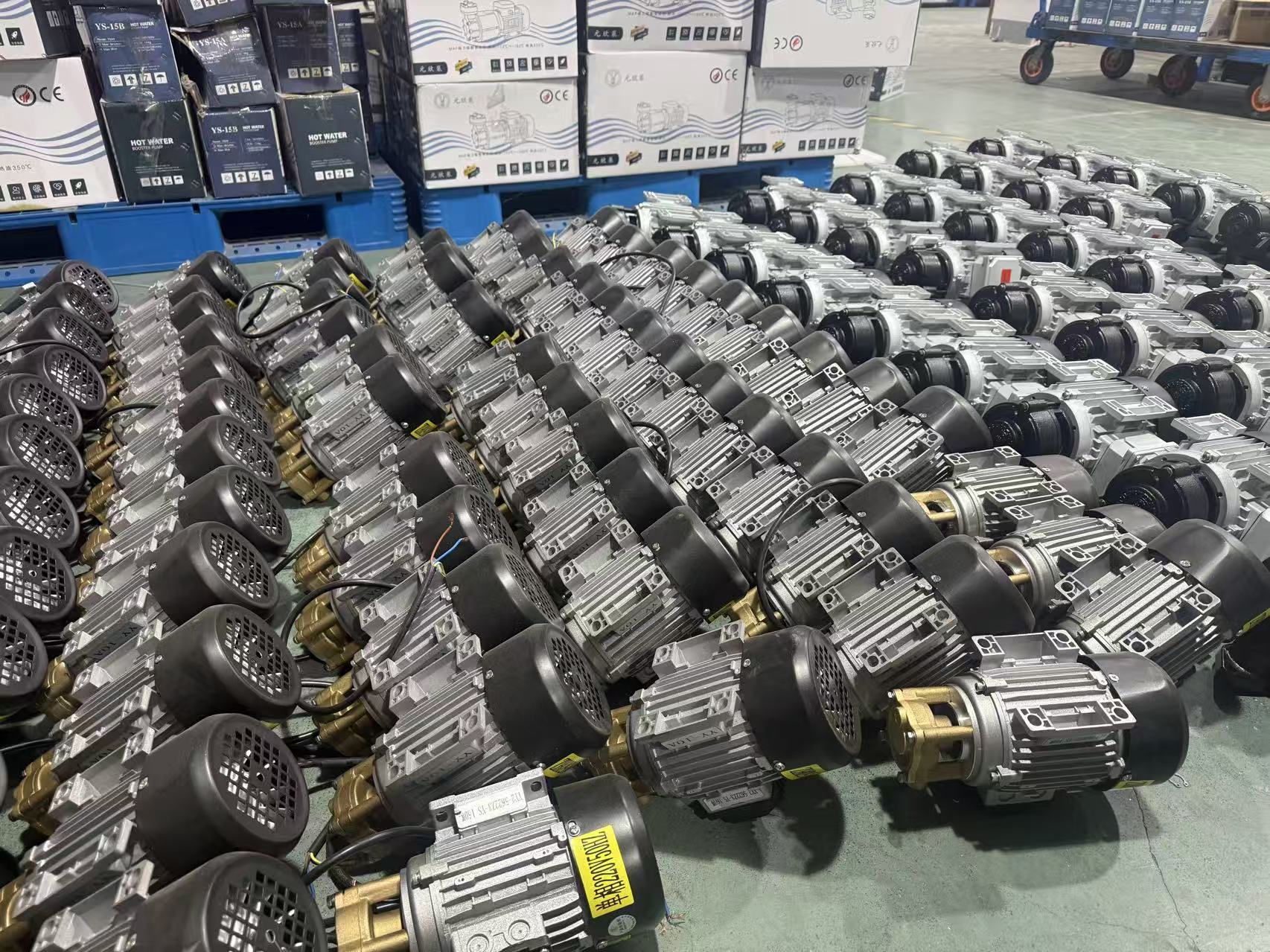
YUAN SHIN PUMP (Yuanxin Pump (Suzhou) Technology Co., Ltd.) is a manufacturer established in 2014 that specializes in designing and manufacturing magnetic pumps for high and low temperature applications. The company operates a 2160 m² facility with around 40 employees and an annual production capacity of approximately 25,000 units.
Core Product Families
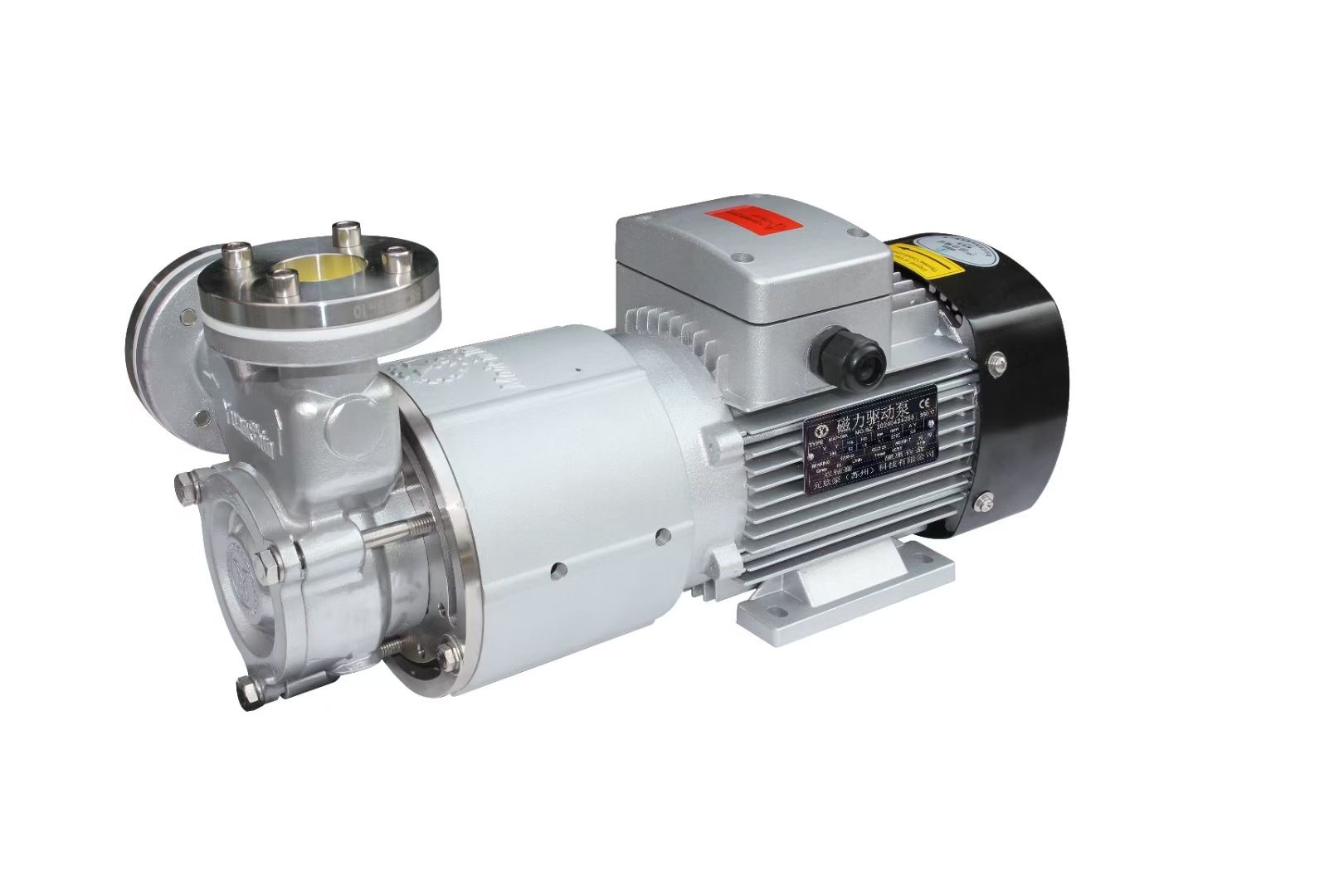
Regenerative Turbine Magnetic Pumps (MAP series): These pumps deliver high head (up to 100 m) at relatively low flow rates, making them ideal for high‑pressure, low‑flow applications such as TCU temperature control and thermal oil circulation. The MAP‑1100 (0.18–4 kW) and MAP‑18A (1.1–2.2 kW) are stainless steel models capable of handling media from -196°C to +400°C.
Centrifugal Magnetic Pumps (CAP series): The CAP‑100 is a stainless steel centrifugal magnetic pump designed for higher flow rates (up to 35 m³/h) and moderate head (15–40 m), suitable for large‑volume circulation in mold temperature control, chemical processing, and semiconductor cooling. Its rated temperature range spans -196°C to +350°C.
High‑Pressure Gear Vortex Pumps and Large Flow Centrifugal Pumps: Complementing the core magnetic pump line, these models serve specialized needs in high‑pressure and high‑flow circuits.
Step‑by‑Step Breakdown: How to Evaluate a Magnetic Pump for Your Application
- Identify the fluid: Check temperature, viscosity, corrosiveness, and purity requirements. Stainless steel (SS304/SS316) is standard for most chemical and thermal oil applications.
- Determine the operating parameters: Required head (m) and flow rate (m³/h or L/min). For high‑head, low‑flow duty, choose a regenerative turbine design; for high‑flow, low‑head, choose a centrifugal design.
- Define the temperature range: Verify that the pump’s maximum continuous operating temperature covers your process. Both MAP and CAP series support -196°C to +350°C / +400°C with appropriate materials.
- Check drive configuration: For inverter‑duty or special voltage requirements, confirm the motor compatibility.
- Evaluate supplier capability: Factory size, R&D team, production volume, and export experience indicate reliability. YUAN SHIN PUMP’s R&D team comprises 3 engineers, and its products are exported to over 10 countries including Canada, Brazil, Australia, Russia, Malaysia, and the UK.
Use Cases by Industry
| Industry | Application | Typical Pump Model | Requirement |
|---|---|---|---|
| Injection Molding (Russia) | Mold temperature controller – thermal oil transfer | MAP‑1100 / MAP‑18A | Continuous operation, high temperature |
| Semiconductor (China) | Chiller – cooling circulation | CAP‑100 / MAP‑1100 | Continuous operation, special voltage |
| New Energy Testing (China) | Liquid cooler – battery constant temperature | MAP‑1100 | Continuous operation, inverter duty |
| Laboratory Equipment (Spain) | Constant temperature chamber – precision temperature control | MAP‑1100 | Single phase, low noise, intermittent |
Comparison Table: Regenerative Turbine vs. Centrifugal Magnetic Pumps
| Parameter | Regenerative Turbine (MAP‑1100 / MAP‑18A) | Centrifugal (CAP‑100) |
|---|---|---|
| Design | Regenerative turbine – high head, low flow | Single‑stage centrifugal – high flow, moderate head |
| Material | Stainless steel | Stainless steel |
| Power Range | 0.18–4 kW (MAP‑1100); 1.1–2.2 kW (MAP‑18A) | 0.75–11 kW |
| Maximum Head | 15–100 m (MAP‑1100); 80–100 m (MAP‑18A) | 15–40 m (rated) |
| Capacity / Flow | 15–200 L/min (MAP‑1100); 3.9–7.2 m³/h (MAP‑18A) | 4–35 m³/h (rated) |
| Temperature Range | -196°C to +400°C | -196°C to +350°C |
| Best Use | High‑pressure thermal oil, TCU, low‑flow chemical transfer | Large‑volume cooling, mold temperature control, water circulation |
Frequently Asked Questions
What is a magnetic pump and how does it work?
What temperature range can YUAN SHIN PUMP magnetic pumps handle?
What industries use YUAN SHIN PUMP magnetic pumps?
How do I choose between a regenerative turbine and a centrifugal magnetic pump?
Where is YUAN SHIN PUMP based and what is its production capacity?
Conclusion
Magnetic pumps offer a robust, leak‑free solution for demanding industrial fluid handling tasks. By understanding the key differences between regenerative turbine and centrifugal designs, and by evaluating supplier capabilities such as material quality, temperature range, and production scale, procurement professionals can make a confident first‑stage selection. YUAN SHIN PUMP provides a focused product line of stainless steel magnetic pumps suited for high and low temperature applications, with documented use cases across multiple industries and regions.
Have Questions or Need More Details?
Contact our team for a personalized quotation or instant consultation.
Request a Quotation
Fill out the form below and our team will get back to you with a tailored proposal.
WhatsApp Direct Chat
Prefer to chat in real-time? Message us on WhatsApp for instant assistance & quick answers.
- Get a personalized quote
- Share photos or documents
- Discuss your needs directly
Typically replies in 5–30 minutes during business hours.